
0 ItemsView Cart


The best way to soundproof a wall depends on the type of wall, the type of noise you hear and how much construction you are willing to do. A finished bedroom wall may only need gaps sealed and additional mass, while a wall opened during a renovation gives you the opportunity to add insulation and structural isolation.
Before choosing materials, determine where the sound is actually getting through and whether you are working with an existing wall or building a new one.
Quick Summary: How Should You Soundproof a Wall?
For an existing wall, first seal gaps and penetrations. If you cannot remove the drywall, add mass and damping over the finished surface. If you can open the wall, treat the cavity and isolate the drywall from the framing. For a new or renovated wall, build insulation, mass, airtight sealing and structural isolation into the wall assembly from the beginning.
How Sound Gets Through a Wall
Sound can reach the other side of a wall in several ways.
Airborne noise begins in the air. Voices, televisions, music and traffic are common examples. These sound waves strike the wall and can cause the assembly to vibrate, allowing some sound energy to pass into the adjoining space.
Structure-borne noise travels as vibration through connected building materials. Sound can also bypass the wall through flanking paths, including gaps, electrical boxes, doors, ceilings, floors and adjoining structures.
That means the wall may not be the only problem. Before investing in construction, confirm that it is the dominant path the unwanted sound is taking.
Learn more about airborne and impact noise and the difference between soundproofing vs. sound absorption.
What Does an STC Rating Mean?
Sound Transmission Class, or STC, is a rating used to compare how well a wall or other partition reduces airborne sound transmission. Higher ratings indicate greater airborne sound isolation.
At approximately STC 30, most sentences can still be heard through a wall. Around STC 50, loud speech is substantially reduced and is generally much harder to understand.
STC is useful for comparing airborne sound attenuation between wall assemblies, but real-world performance can also be affected by installation quality, penetrations and sound traveling around the wall.
For a deeper look at the principles behind controlling sound throughout an entire space, see our room soundproofing guide.
Which Wall Soundproofing Method Should You Use?
| Your Situation | Recommended Starting Approach | Product or Material to Consider | Open the Wall? |
| Existing wall with gaps or obvious leaks | Seal cracks, seams and penetrations first | OSI® Pro-Series® SC-175™ Acoustical Sound Sealant | No |
| Existing wall where demolition is not practical | Add mass and damping to the finished assembly | Quiet Barrier® and/or Green Glue Noiseproofing Compound with additional drywall | No |
| Existing wall with significant sound transmission | Treat the cavity and isolate the finished surface | Quiet Batt® Soundproofing Insulation + isoTRAX® | Yes |
| New wall or major renovation | Build cavity treatment, mass, sealing and isolation into the assembly | Quiet Batt® Soundproofing Insulation, Quiet Barrier® and/or isoTRAX® | Yes |
| Rental or limited-modification space | Address accessible leaks and only make permitted modifications | Depends on the wall and lease restrictions | Usually no |
Soundproofing an Existing Wall
When the wall is already built, the most important question is whether you can open it.
This is a common situation when you are trying to reduce voices, television or other noise coming through a shared wall from a neighboring room, apartment or townhouse.
If you want to avoid demolition, you can still improve many walls by sealing leaks and adding mass or damping to the finished surface. Opening the wall provides more options because you can treat the cavity and reduce structural transmission through the framing.
How to Soundproof a Wall Without Opening It
Start with gaps.
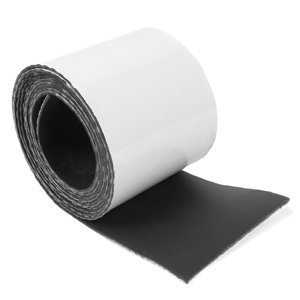
Sound can pass through cracks at the wall perimeter and openings around electrical boxes, pipes, trim and other penetrations. Seal appropriate gaps with a flexible acoustical product such as OSI® Pro-Series® SC-175™ Acoustical Sound Sealant. Seams in sound barrier materials can be sealed with Quiet Barrier® Tape.
Also check nearby doors. If a door is allowing sound to bypass the wall, Quiet Door™ perimeter seals and door sweeps can address gaps around the frame and beneath the door.
If sealing leaks is not enough, the next option is to add mass and damping to the finished wall.
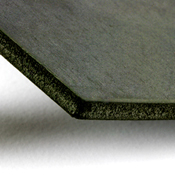
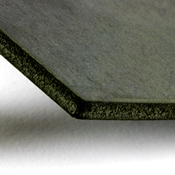
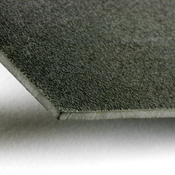
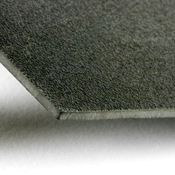
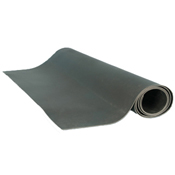
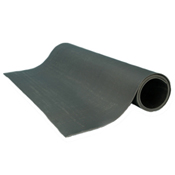
Mass-loaded vinyl Quiet Barrier® soundproofing materials add dense mass to the assembly, making it more difficult for airborne sound to pass through. Depending on the product and assembly, barrier material can be incorporated over an existing wall and covered with another finished layer.
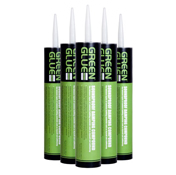
Another approach is adding drywall with Green Glue Noiseproofing Compound between the rigid layers. Green Glue acts as a damping compound, helping dissipate vibration between the two surfaces.
These options avoid removing the original drywall, but they add thickness to the wall and still require careful installation and sealing.
Review Soundproof Cow’s Existing Wall Soundproofing Assemblies for wall assembly details and recommended configurations before selecting an assembly.
How to Soundproof a Wall by Opening It
If you are renovating anyway or need more significant improvement, opening the wall lets you address the cavity and the structural connections behind the drywall.
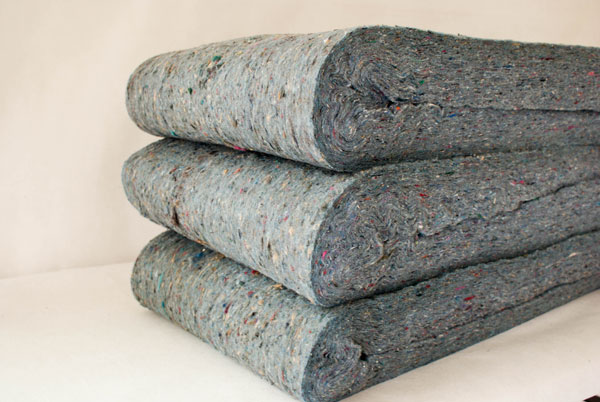
Start with the cavity. Quiet Batt® Soundproofing Insulation fits between wood or metal studs and helps absorb sound energy within the wall cavity. The goal is to reduce the buildup of sound energy inside the assembly rather than leaving an empty cavity where sound can continue to reflect.
Next, consider decoupling the finished wall from the framing.
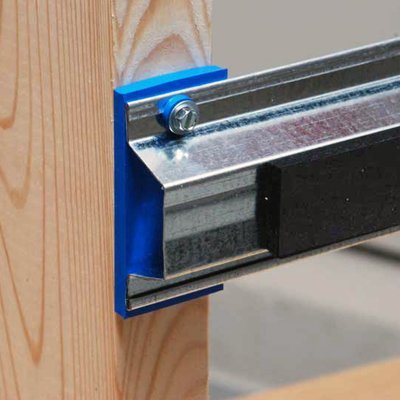
A standard wall creates a relatively direct path from drywall into the studs. The isoTRAX® Soundproofing System uses isolation rails and sound-deadening pads to separate the finished drywall from direct contact with the studs, reducing vibration transfer through that connection.
Depending on the assembly, you can then incorporate Quiet Barrier®, additional drywall and damping materials. Seal perimeter gaps and penetrations so sound cannot bypass the upgraded wall.
The key is to think about the wall as a complete assembly. Insulation alone, additional drywall alone or an isolation product alone is not interchangeable with a properly designed combination of cavity treatment, mass, sealing and structural isolation.
See the Existing Wall Soundproofing Assemblies for recommended configurations before closing the wall.
How to Build a Soundproof Wall: New Construction and Renovations
If you are building a new wall or opening one during a major renovation, you have the best opportunity to control sound because you can design the entire wall assembly for sound isolation before the drywall goes up.
Begin by selecting the appropriate wall assembly for the amount and type of noise you need to reduce. Filling the stud cavity with Quiet Batt® helps control sound energy inside the wall. Additional mass from drywall and Quiet Barrier® materials can increase resistance to airborne sound transmission.
Structural connections matter too. Standard drywall attached directly to shared framing provides a path for vibration. An isolation system such as isoTRAX® can decouple the finished surface from the studs and reduce that connection.
Framing choices can also influence performance. Staggered-stud and double-wall assemblies create greater separation between finished surfaces, although they require additional space and construction. The best approach depends on the room, available wall depth, budget and performance target.
Finally, seal the wall perimeter and penetrations carefully. Even a strong assembly can be undermined by gaps or flanking paths.
Before framing or closing the wall, review Soundproof Cow’s New Wall Soundproofing Assemblies for wall assembly details and recommended configurations.
Best Materials for Soundproofing a Wall
The best material to soundproof a wall depends on how sound travels through it and whether you can remove the drywall. Acoustical sealant treats gaps, insulation absorbs sound within the wall cavity, dense barriers and drywall add mass, damping compounds reduce vibration between layers, and isolation systems reduce vibration transfer through framing. Most wall soundproofing projects require a combination.
Sound Insulation for Walls
Best for: New walls or renovations where the stud cavity is accessible.
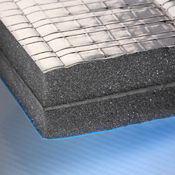
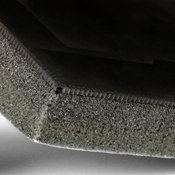
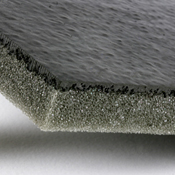
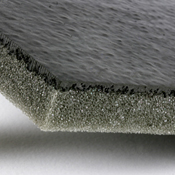
Quiet Batt® Soundproofing Insulation fits between wall studs and absorbs sound energy within the cavity. It is an option when building a wall or removing drywall during a renovation.
Insulation does not seal openings or separate drywall from the framing. Combine it with appropriate drywall layers, perimeter sealing and, where needed, structural isolation. If you want to leave the existing drywall in place, consider surface-added mass and damping instead.
Mass-Loaded Vinyl and Sound Barriers
Best for: Adding dense mass where the chosen wall assembly allows a barrier layer.
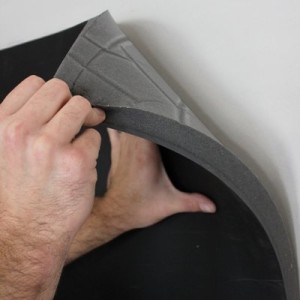
Quiet Barrier® mass-loaded vinyl materials add mass to resist airborne sound transmission. Depending on the product and installation, they can be incorporated into a new wall or added over an existing surface beneath another finished layer.
Check the assembly requirements before buying. Account for how the barrier will be supported, how seams and edges will be sealed, and whether another layer of drywall is required. A sound barrier serves a different purpose from insulation: the barrier adds mass, while insulation absorbs sound within the cavity.
Drywall and Damping Compounds
Best for: Upgrading an existing wall when you can add thickness and refinish the surface.
An additional layer of drywall adds mass. Green Glue Noiseproofing Compound between rigid layers adds damping to help reduce vibration through the assembly.
This approach can preserve the original drywall, but it still involves installation, finishing and adjustments around trim or other wall details. Follow the product’s application instructions and the selected wall assembly. Damping compound does not replace the sealant needed around perimeter gaps and penetrations.
Sound Isolation Systems
Best for: New construction or open-wall renovations where structural vibration transfer needs to be addressed.
The isoTRAX® Soundproofing System separates the finished drywall from direct contact with the studs, helping reduce vibration transfer through that connection.
Isolation requires careful installation. Choose a complete assembly that accounts for framing, insulation, drywall and sealing, and follow its fastening requirements. Review the new-wall soundproofing assemblies before selecting a configuration.
Acoustical Sealant
Best for: Treating cracks, perimeter gaps and suitable penetrations that let sound bypass the wall.
A flexible acoustical sealant such as OSI® Pro-Series® SC-175™ Acoustical Sound Sealant helps close air paths around a wall assembly. Check the product instructions for compatible surfaces and applications.
Sealing is a practical first step when gaps are present, but it cannot compensate for a lightweight wall or sound traveling through adjoining structures. Around electrical boxes or rated walls, use treatments appropriate to the assembly and its requirements.
How to Soundproof a Wall Cheaply
The cheapest useful wall soundproofing treatment is the one that addresses the actual path of the noise. Start by checking for gaps and sound traveling around the wall before buying materials to cover its entire surface. If sound is passing through the wall itself, improving it may require added mass, damping or construction.
1. Check Where the Noise Is Getting Through
Listen around the wall’s edges and nearby doors, windows and other openings while the unwanted noise is occurring. Sound that seems to come through a wall may also travel around it through connected ceilings or floors.
If a door gap is the main problem, treating the wall alone will leave that path open. Identify the most obvious weak points before deciding where to spend your budget.
2. Seal Accessible Gaps First
Look for cracks and gaps around the wall perimeter, trim and penetrations. Where appropriate, use a flexible acoustical sound sealant according to its application instructions. Electrical penetrations and fire-rated assemblies require suitable treatments; do not fill electrical boxes with ordinary caulk or foam.
Sealing small gaps generally requires less material and work than adding layers across an entire wall. It is most useful when air leaks contribute to the noise, rather than when transmission through the wall assembly is the main problem.
3. Compare the Full Cost of Adding Mass and Damping
If sealing is not enough, consider an additional drywall layer, with Green Glue Noiseproofing Compound between the rigid layers. This can improve an existing assembly without removing the original drywall, although it adds thickness and requires finishing.
Compare the total installed cost—including materials, labor, trim adjustments and finishing—with a suitable Quiet Barrier® assembly. The lowest-priced individual product is not necessarily the least expensive completed project. Consult the existing-wall soundproofing assemblies before choosing your approach.
4. Avoid Spending on the Wrong Type of Treatment
Acoustic foam, curtains and other absorptive furnishings can reduce reflections inside a room. They do not replace the mass, sealing or isolation needed to reduce significant sound transmission through a shared wall.
If noise remains substantial after accessible gaps are treated, a more involved wall upgrade may be necessary. For lightweight partitions, see how to soundproof thin walls. For masonry construction, see how to soundproof concrete walls.
Acoustic Panels vs. Wall Soundproofing
Many products described as soundproofing panels or acoustic wall panels are designed primarily for sound absorption. Acoustic foam, wall-mounted acoustic panels, fabric-wrapped acoustic panels or Art Acoustic Panels are great for absorbing reflected sound and reducing echo or reverberation within a room, but they do not provide the mass or structural isolation needed to stop significant sound transmission through a wall.
If echo is the problem, these sound-absorbing materials for walls may be appropriate acoustic treatments. If sound is passing through the wall from another space, use a wall assembly designed to control transmission instead.
What Does Not Work for Soundproofing a Wall (and Why)
Some products marketed as easy soundproofing fixes do not provide enough mass, damping or structural isolation to meaningfully stop sound from traveling through a wall.
Soundproof Paint
Soundproof paint creates only a very thin coating. It cannot replace the mass, sealing, damping or isolation used in a sound-controlled wall assembly and should not be relied on for significant noise transmission.
Soundproof Wallpaper
Wallpaper with a thin foam or similar backing may affect the room surface, but it does not provide the mass or separation required to control substantial sound transmission through a wall.
Carpet on the Walls
Carpet can reduce some reflected sound, but it does not have the density or structural isolation required to meaningfully stop sound from passing through a wall.
Find the Right Soundproofing Solution
There is no single soundproofing product that solves every noise problem. The right solution depends on where the sound is traveling, whether the wall already exists, whether it can be opened and how much sound reduction you need.
An existing bedroom wall with a few sound leaks requires a different approach from a home theater under construction or an office wall designed for greater speech privacy.
Not sure which assembly fits your project? Request a free acoustic analysis from Soundproof Cow. Tell us about your room, wall construction and noise problem, and our team can help you identify the most practical place to start.
Frequently Asked Questions About Soundproofing Walls
Can You Soundproof a Wall Without Removing Drywall?
Yes. Start by sealing gaps, cracks and penetrations. If the wall itself remains the dominant sound path, you can add mass or damping over the existing surface using materials such as Quiet Barrier®, additional drywall or Green Glue between rigid layers.
Opening the wall provides additional options because you can treat the cavity and isolate the drywall from the framing.
What Is the Least Expensive Way to Soundproof a Wall?
Sealing gaps and penetrations with acoustical sealant is one of the least expensive places to begin.
If more sound reduction is needed, additional drywall, damping compound or a surface-applied sound barrier may improve the existing assembly without complete demolition. More serious transmission problems can require cavity treatment and structural isolation.
Does Soundproof Paint Actually Work?
Soundproof paint should not be relied on to stop significant sound transmission through a wall. A thin paint layer cannot provide the same mass, damping or isolation as a properly designed wall assembly.
What STC Rating Does a Wall Need to Block Noise Effectively?
There is no single STC rating that is right for every space.
At approximately STC 30, normal speech can still be understood through a wall. Around STC 50, loud speech is substantially reduced and speech privacy is much greater.
The appropriate target depends on the source of the noise and how much isolation the room requires. Remember that STC addresses airborne sound and that real-world results also depend on installation and flanking paths.
Can I Soundproof a Wall in a Rental?
Possibly, but permanent modifications depend on your lease and the property owner’s permission.
Start by identifying accessible gaps or other weak points that can be addressed without structural changes. Do not open the wall or install permanent layers without approval.
Temporary absorptive products may make the room itself sound quieter by reducing echo, but they should not be confused with permanent wall soundproofing.
What Is the Difference Between Soundproofing and Acoustic Treatment for a Wall?
Soundproofing reduces sound transmission from one space to another. Wall soundproofing typically relies on strategies such as airtight sealing, mass, damping, cavity treatment and structural isolation.
Acoustic treatment manages sound within the room. Acoustic foam and acoustic panels absorb reflections to reduce echo and improve sound clarity.
If you hear your neighbor’s television through the wall, you have a sound transmission problem, and you need soundproofing materials. If conversations in your own room sound echoey, you have an acoustic treatment problem, and you need sound absorption materials. Some rooms require both, but the products serve different purposes.