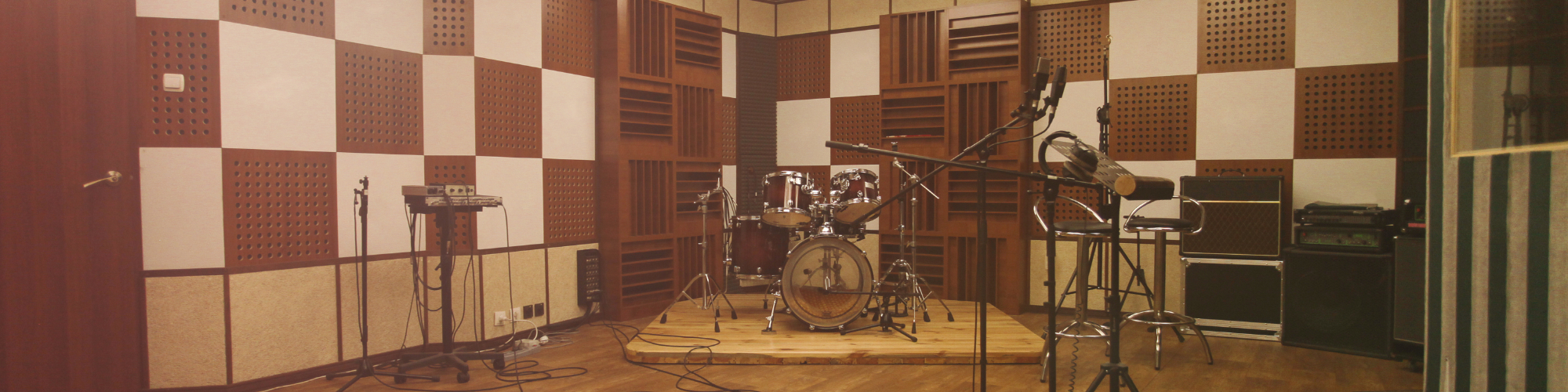
To soundproof a room for music or band practice, identify where sound escapes, seal gaps around doors and windows, and choose wall, floor, and ceiling treatments that reduce transmission into adjoining spaces. Acoustic panels serve a different purpose: they reduce echo and reverberation inside the room so musicians can hear themselves and one another more clearly.
Whether you’re setting up a home music practice room, improving a school rehearsal space, or treating a room for a full band, the right approach depends on your instruments, the existing construction, and how much you can modify. This guide explains music room soundproofing and sound absorption, helping you choose materials for quieter surroundings and clearer rehearsals.
How to Soundproof a Room for Music and Band Practice
Rehearsal room soundproofing starts with identifying where music reaches neighboring rooms or properties. A soundproof music practice room depends on the entire space: strengthening a wall may have limited benefit if sound still escapes through a door, window, ceiling, or ventilation opening. Use the following steps to prioritize your improvements.
1. Find Where Music Escapes
Have someone play at a representative practice volume while another person listens outside the room. Check the door, windows, adjoining rooms, and spaces above and below. Note whether the problem is clearly audible music, low-frequency bass, vibration, or a combination.
This helps you choose where to start. Voices and amplified instruments may escape through gaps or lightweight surfaces, while drums and bass can also transmit vibration through connected building materials.
2. Address Door and Window Gaps
Inspect the door perimeter and the gap beneath it. Suitable door seals and sweeps can reduce sound leaking through these openings. If the door itself is lightweight, sealing alone may not provide the improvement you need.
Check window edges and other penetrations too. Treat appropriate gaps with compatible acoustical sealant, and keep required ventilation openings functional. For more detailed options, see how to soundproof a door and how to soundproof a window.
3. Improve the Walls and Music Room Insulation
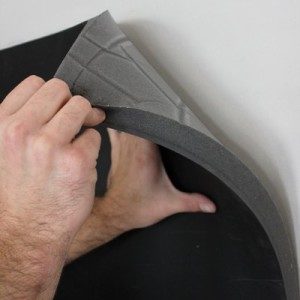
When music passes through a shared wall, additional mass and a suitable wall assembly can help reduce transmission. Options may include additional drywall, damping between rigid layers, or a dense sound barrier incorporated into the assembly.
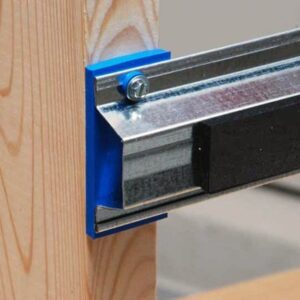
If construction allows access to the wall cavity, music room sound insulation can absorb sound energy within that cavity. Isolation systems can reduce the direct connection between the drywall and framing. Insulation, mass, sealing, and structural isolation serve different purposes and should be selected together. Explore how to soundproof a wall before choosing a configuration.
4. Address Floors, Ceilings, and Equipment Vibration
If rehearsals disturb a room below, investigate both sound transmission through the floor and vibration from drums, speakers, or other equipment. Suitable isolation supports or a properly designed platform may help address equipment contact, but they do not replace treatment of the floor assembly.
Noise reaching rooms above may require improvements to the ceiling assembly. Flooring underlayments, added mass, and isolation systems have different applications; the appropriate choice depends on the existing structure and available access. Review the floor soundproofing guide and ceiling soundproofing guide for more detail.
5. Add Acoustic Treatment for Clearer Rehearsals
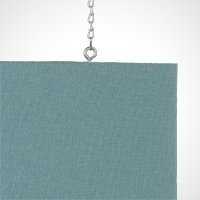
Alongside sound isolation, address excessive reflections inside the practice room. Music room acoustic panels and hanging baffles can reduce reverberation that makes vocals and individual instruments difficult to hear clearly.
Choose treatment based on the room’s dimensions, surfaces, and use rather than covering every surface with foam. If you are unsure which combination of soundproofing and absorption your rehearsal room needs, request a free acoustic analysis.
Music Room Soundproofing vs. Sound Absorption
Music practice rooms often need two kinds of treatment: soundproofing to reduce sound traveling between spaces, and sound absorption to improve how music sounds inside the room.
Soundproofing: Reduce Sound Entering or Leaving the Room
If rehearsals disturb neighbors or other people in the building, focus on sound isolation. Music room soundproofing combines treatments such as sealing gaps, adding dense materials, and reducing vibration transfer through walls, floors, and ceilings. Insulation within wall and ceiling cavities can contribute to the performance of the complete assembly.
These improvements can also reduce outside noise entering your practice room. The right combination depends on the existing construction, the instruments you play, and the paths sound takes into adjoining spaces.
Sound Absorption: Hear Your Music More Clearly
If your rehearsal room sounds echoey or individual instruments become difficult to distinguish, sound absorption can help. Acoustic panels for music rooms and hanging baffles absorb reflected sound, reducing echo and reverberation.
Absorption improves conditions inside the room, but room-mounted panels do not replace the construction treatments needed to limit sound transmission to neighbors. A band practice room may need both: isolation to reduce sound escaping and absorption to make rehearsals clearer.
Soundproofing a Music Practice Room at Home
A home music practice room should suit both the musician and the people sharing the house. Whether you’re practicing an instrument alone or rehearsing with a band, start by considering which adjoining spaces need quiet. A room farther from bedrooms and shared living areas may be a better choice, but check how sound travels through its doors, walls, floors, and ceiling.
A basement or garage can provide useful separation, although neither is automatically soundproof. Basement rehearsals may transmit music into rooms overhead. When soundproofing a garage for band practice, check the garage door, perimeter gaps, windows, and any walls shared with the house. A lightweight garage door can remain a major sound path even after other surfaces are improved. If the framing is exposed, consider insulation and the complete wall or ceiling assembly before finishing the space. See our garage band soundproofing guide for more detailed options.
If you’re adapting a spare bedroom, prioritize the paths carrying music into the rest of the home before buying materials for every surface. Then add acoustic treatment to control excessive reflections inside the room. Where construction is limited, combine permitted improvements with practical measures such as lower amplifier levels or headphone practice when your equipment allows.
Soundproofing Products for Band Practice and Music Rooms
Choose music room soundproofing materials according to the part of the room you need to improve. Dense barriers add mass, while isolation systems reduce vibration transfer through structural connections. Review the installation requirements for your chosen wall, floor, or ceiling assembly before selecting products.
Get a Free Acoustic Analysis
Acoustic Panels and Sound Absorption Products for Music Rooms
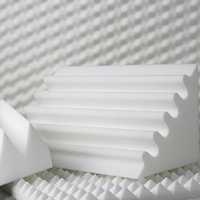
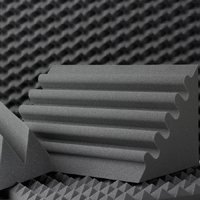
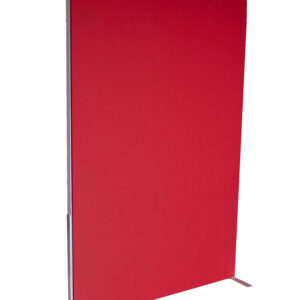
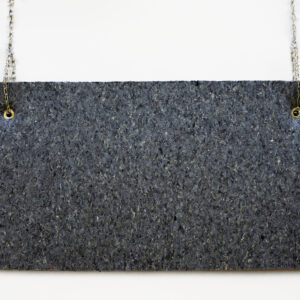
Acoustic panels for music rooms help control reflections so musicians can hear vocals and instruments more clearly. Fabric-wrapped panels, acoustic cotton panels, and hanging baffles provide different options for treating walls and ceilings. Choose products to suit your rehearsal room’s available space, mounting requirements, and appearance. These treatments improve acoustics within the room; they complement the sound-isolation measures described above.
Explore these acoustic treatments for your music room: