
0 ItemsView Cart


Soundproofing a room starts with understanding how noise is getting in or out.
How to Soundproof a Room: 6 Areas to Check
Start by checking the six main transmission paths:
- Walls: Reduce sound between adjoining rooms.
- Doors: Seal gaps and strengthen the door assembly.
- Windows: Address gaps, frames and glass.
- Floors: Reduce footsteps and other impact noise.
- Ceilings: Control sound traveling between levels.
- Pipes: Reduce plumbing noise and vibration.
Effective room soundproofing may require treating more than one path.
Whether you are dealing with traffic outside, conversations through a shared wall, footsteps overhead or noisy plumbing, the goal is the same: identify where the sound is traveling and use the right soundproofing method to reduce it.
What Is Soundproofing?
Soundproofing is the process of reducing the amount of sound that passes into or out of a space. It works by changing the way sound travels through walls, doors, windows, floors, ceilings and other parts of a building.
That is different from sound absorption.
Sound-absorbing materials help control sound inside a room by reducing echo and reverberation. Acoustic foam and acoustic panels, for example, can make conversations clearer or improve the acoustics of a recording space. They are useful tools, but they do not necessarily stop noise from traveling through a wall, ceiling or doorway.
Soundproofing focuses on limiting that transmission. If you hear a neighbor talking through a shared wall, adding acoustic foam to the surface is unlikely to solve the underlying problem. You may instead need to add mass, seal openings, reduce vibration or change the wall assembly itself.
Understanding the difference between soundproofing and sound absorption helps you choose the right materials and avoid treating the wrong problem.
Two Types of Sound That Determine Your Approach
Before choosing soundproofing materials, identify what type of noise you are dealing with. Most unwanted sound falls into one of two categories: airborne noise or impact noise.
Airborne noise travels through the air before reaching a wall, door, window or other surface. Common examples include conversations, television, music, traffic and barking dogs. Controlling airborne noise often means sealing gaps, adding mass or improving the construction of the surface the sound is passing through.
Impact noise begins when an object strikes or moves against a building surface, creating vibrations that travel through the structure. Footsteps from an upstairs room, dropped objects, moving furniture and some mechanical equipment are common examples. Reducing impact noise often requires materials or assemblies that isolate surfaces, damp vibration or interrupt the path those vibrations travel.
The distinction matters because the same treatment will not solve every noise problem. Understanding whether you are dealing with airborne noise or impact noise helps determine which transmission path to investigate and which soundproofing method is most likely to work.
How Soundproofing Works: The Core Principles
Effective soundproofing works by changing how sound energy moves through a structure. Most room soundproofing strategies rely on four core principles: mass, decoupling, damping and sealing. The strongest solutions often combine more than one principle rather than relying on a single material or surface treatment.
Mass
Adding mass makes a wall, floor, ceiling or other surface more difficult for sound to pass through. Common approaches include additional drywall, mass-loaded vinyl or other dense sound-barrier materials.
Decoupling
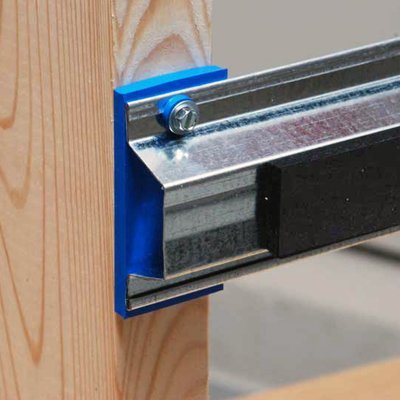
Decoupling separates building surfaces so vibrations have a more difficult path to travel. Instead of allowing sound energy to move directly through connected framing, decoupled assemblies interrupt that path. Resilient clips, hat channels, staggered studs and double-wall construction are common methods.
Learn more about how decoupling works.
Damping
Damping reduces vibration by converting some of the vibrational energy moving through a material into small amounts of heat. Damping materials can help limit resonance and reduce vibration transferred through walls, floors and ceilings.
Sealing
Even a strong soundproofing assembly can lose effectiveness when sound leaks through gaps. Openings around doors, windows, electrical boxes, pipes and wall joints can become weak points. Acoustical sealant, perimeter seals and door sweeps help close these paths.
Where Sound Absorption Fits In
Sound absorption serves a different purpose. Acoustic panels, foam and other porous materials reduce echo and reverberation inside the room. They can complement a soundproofing system by improving the acoustics of the space, but absorption is not one of the primary principles used to stop sound from passing through a building surface.
Sound can also bypass a treated surface through adjoining floors, ceilings, framing, ductwork, electrical openings and other connected parts of a building. This is known as flanking noise. For example, noise that appears to be coming through a wall may actually travel through a ceiling cavity or ductwork and re-enter the room on the other side. Treating only the direct path can leave these bypass routes open.
That is why soundproofing one wall or surface may reduce noise without eliminating the problem entirely. Effective room soundproofing starts by identifying the full path the sound is taking.
Which Soundproofing Method Should You Use?
| Problem | Start With | Primary Principle |
| Voices, music or TV coming through a shared wall | Walls | Mass and sealing |
| Noise leaking through or around a door | Doors and gaps around the frame | Sealing |
| Traffic, construction or outdoor noise | Windows and exterior gaps | Sealing and mass |
| Footsteps or dropped objects from the room above | Ceiling and floor assembly | Decoupling and damping |
| Echo or excessive reverberation inside the room | Interior wall and ceiling surfaces | Sound absorption* |
| Plumbing, water flow or pipe vibration | Pipes and surrounding penetrations | Damping and sealing |
*Sound absorption improves acoustics inside a room but does not stop sound transmission on its own.
How to Soundproof Walls
Walls are one of the most common paths for airborne noise such as conversations, television and music to travel between rooms. Sound can pass directly through the wall assembly or leak through weaker points such as gaps, outlets and penetrations.
The right solution depends on how much noise you need to reduce and whether you can access the inside of the wall.
Simple Wall Soundproofing Solutions
If opening the wall is not practical, start with the weakest points.
- Seal cracks and gaps: Even small openings can allow sound to pass through. Use OSI® Pro-Series SC-175 Acoustical Sound Sealant around appropriate gaps, seams and penetrations.
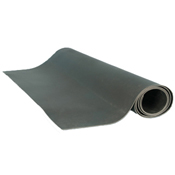
- Add mass: Another layer of drywall or a dense sound barrier such as mass-loaded vinyl can improve sound isolation.
For persistent noise through thin walls, a more substantial treatment may be necessary.
Add Sound Insulation Within the Walls
When greater sound isolation is needed, treating the wall assembly itself allows you to combine multiple soundproofing principles.
- Decouple the wall: Use resilient clips, hat channels, staggered studs or double-wall construction to reduce direct vibration transfer through framing.
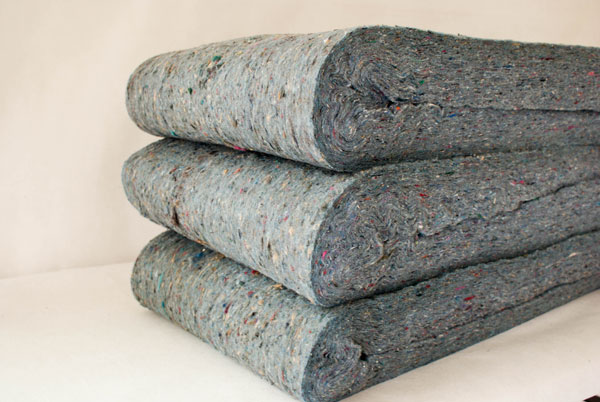
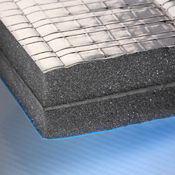
- Add insulation: Install Quiet Batt® Soundproofing Insulation within the wall cavity.
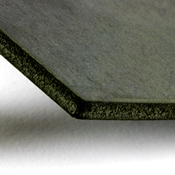
- Add a sound barrier: Dense materials can increase mass and further reduce sound transmission.
- Use a decoupling system: The isoTRAX® Soundproofing System creates additional separation within the wall assembly.
- Seal the assembly: Finish by sealing perimeter gaps and penetrations with acoustical sealant.
A full wall assembly will generally provide substantially greater sound isolation than surface-level fixes alone.
Use Wall-Mounted Acoustic Panels for Sound Absorption
Acoustic panels can reduce echo and reverberation within a room, making the space sound more controlled. Decorative options such as art acoustic panels provide acoustic treatment without sacrificing the appearance of the room. Echo Absorber™ Acoustic Panels are another option for reducing reflected sound.
Acoustic panels absorb sound inside the space. They should not be relied on as a solution for blocking noise traveling through a wall.
See Soundproof Cow’s guide to installing acoustic panels for mounting methods.
How to Soundproof a Door
Doors are common weak points because sound can travel through both the door itself and the gaps around it. Even a small opening beneath the door or around the frame can allow airborne noise to pass through, which is why sealing gaps should come first.
Seal Door Gaps
Check the bottom, sides and top of the door for openings where sound can leak through.
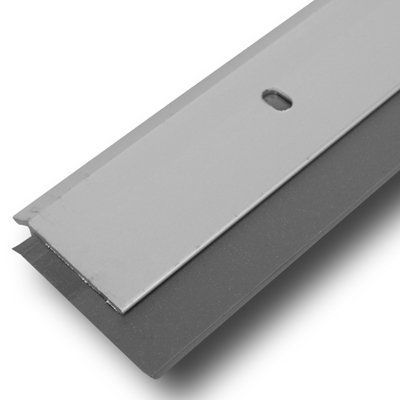
- Install a door sweep: A Quiet Door™ Automatic Door Sweep creates a seal along the bottom of the door to reduce sound transmission.
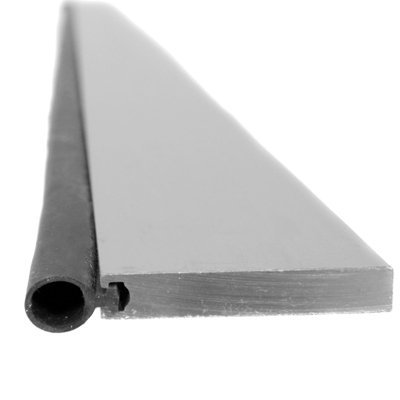
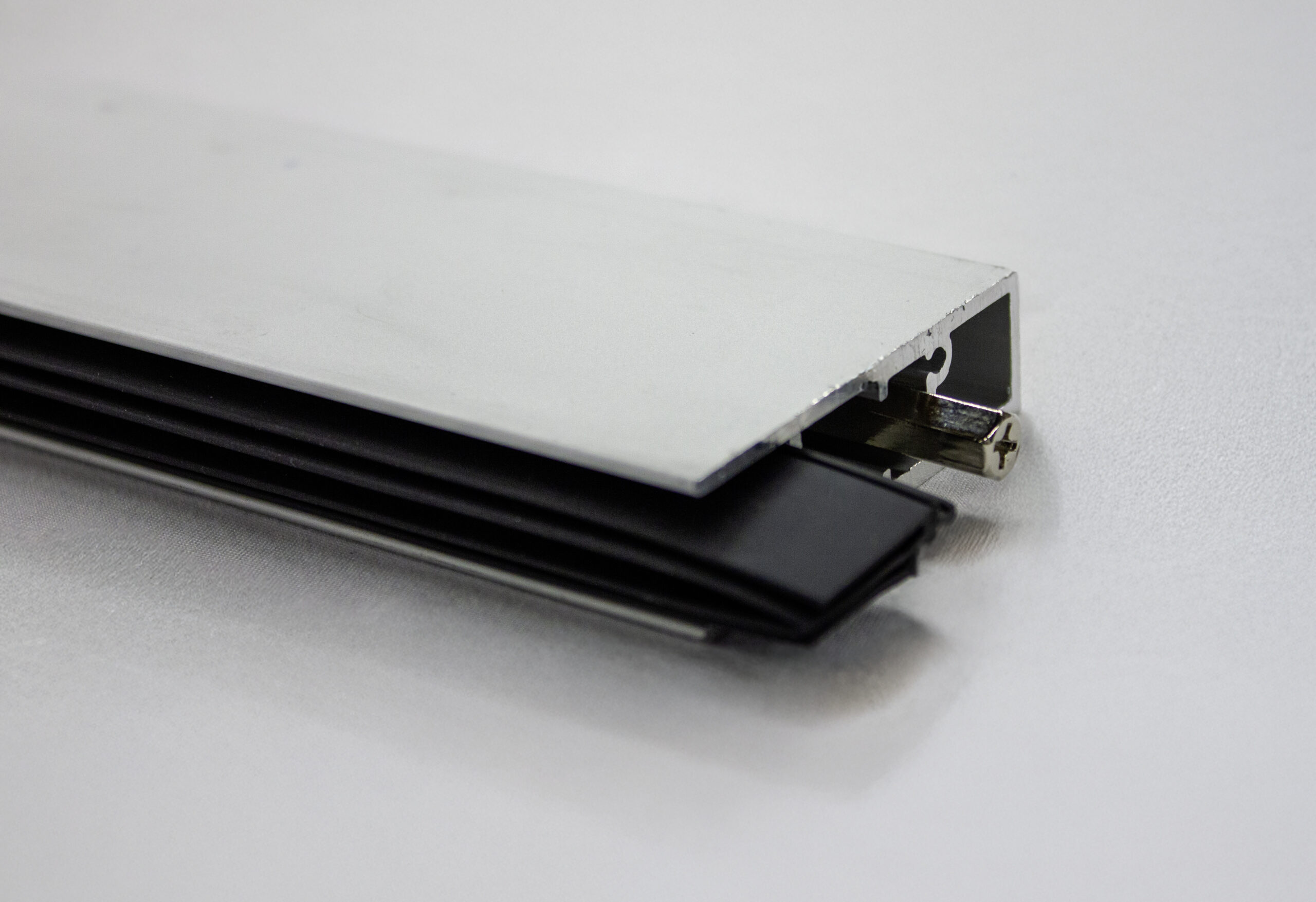
- Seal the perimeter: A Quiet Door™ Perimeter Seal closes gaps between the door and frame.
- Seal remaining openings: Use OSI® Pro-Series SC-175 Acoustical Sound Sealant around appropriate gaps and joints near the frame.
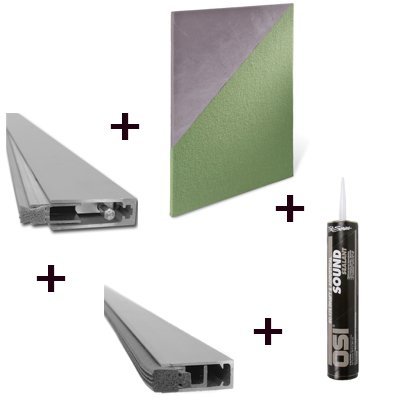
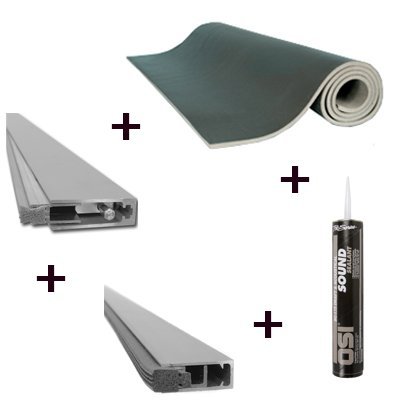
Soundproof Cow also offers complete residential, commercial and industrial door soundproofing kits.
Add Mass to the Door
Once gaps are sealed, address the door itself. Lightweight or hollow-core doors generally provide less resistance to sound transmission than heavier, denser doors. Adding mass or upgrading the door assembly can help reduce the amount of sound passing directly through it.
A Quiet Door™ Acoustic Panel can also help reduce noise transfer through the door while controlling reflected sound inside the room. It should complement, rather than replace, proper sealing around the door assembly.
For more detail, see Soundproof Cow’s door soundproofing guide.
How to Soundproof Windows
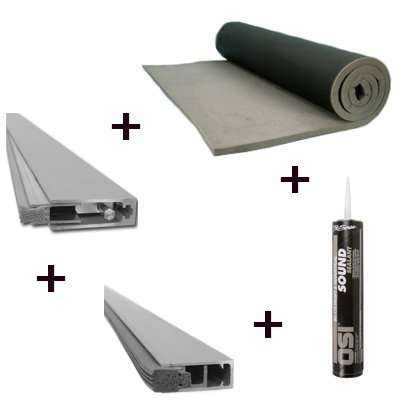
Windows can be a major transmission path for outdoor noise because sound can travel through both the glass and gaps around the frame. Traffic, construction, neighbors and other exterior sounds may enter through openings small enough to overlook, so sealing should be the first step.
Seal Gaps Around the Window
Check the window frame, trim and surrounding joints for cracks or openings. Sealing appropriate gaps with acoustical sealant can reduce sound leakage and prevent noise from bypassing the window assembly.
Improve the Window Assembly
If sealing does not provide enough improvement, address the window itself.
- Window inserts: Add another barrier between the room and the existing glass.
- Additional glazing: Increasing the layers of glass can add mass and improve the window assembly.
- Window replacement: If the existing window is a significant weak point, replacing the window itself may provide a more effective solution.
The right approach depends on the type and level of noise, the existing window construction and whether sound is traveling through the glass, frame or both.
How to Soundproof Floors
Floors are a common path for impact noise, including footsteps, dropped objects and furniture movement. These impacts create vibrations that travel through the floor assembly and into the structure below. Airborne noise can also move through floors, but impact noise is often the primary concern.
The best approach depends largely on whether you can access the subfloor.
Use Surface Solutions for Existing Floors
If removing the finished flooring is not practical, start at the surface.
- Carpet and rugs: Soft floor coverings can reduce the sound created by footsteps and other impacts.
- Rug pads or carpet underlays: A resilient layer beneath a rug or carpet adds cushioning and can help limit vibration.
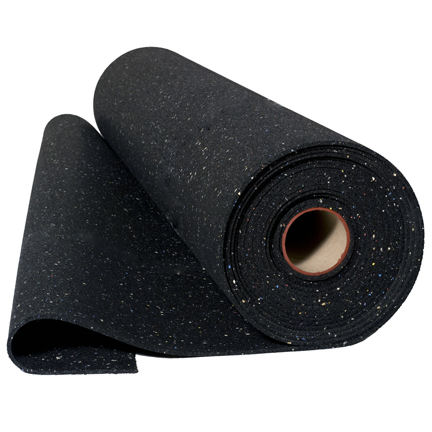
- Rubber mats: Dense rubber can help reduce impact and vibration in areas where appearance is less important or where the material can be covered.
These approaches can improve impact-noise control, but they generally will not perform as well as a properly designed floor assembly.
Install Soundproofing Underlayment
When the subfloor is accessible during construction or renovation, underlayment can help isolate the finished floor from the structure below.
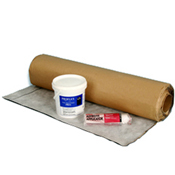
For tile, stone and hardwood, PROFLEX™ 90 provides a resilient layer designed to reduce impact and transmitted noise.
For carpet, laminate and concrete applications, Impact Barrier QT Flooring Underlayment helps reduce impact noise while creating separation between the finished floor and subfloor.
Treating impact noise at the floor itself is often more effective than trying to control the same vibration after it travels into the ceiling below.
Not sure where to start? Request a free acoustic analysis.
How to Soundproof Ceilings
Ceilings can transmit airborne noise such as conversations, music and television as well as impact noise from footsteps, dropped objects and moving furniture above.
The best approach to soundproofing a ceiling depends on whether you are working with new construction or an existing ceiling.
Soundproof a New Ceiling
When the ceiling cavity is accessible, combine several soundproofing principles:
- Add acoustic insulation: Install Quiet Batt® Soundproofing Insulation between the ceiling joists.
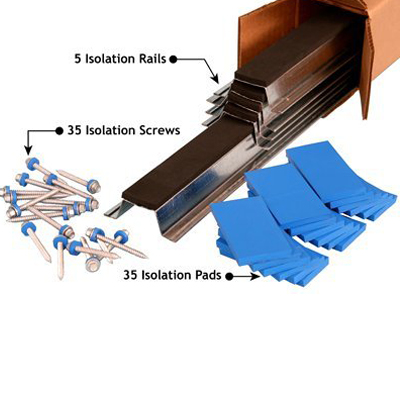
- Decouple the ceiling: Use resilient clips, hat channels or the isoTRAX® Soundproofing System Ceiling Package.
- Add mass: Use additional drywall or a sound barrier such as Quiet Barrier® MD.
- Seal gaps and penetrations: Close openings around fixtures, edges and other penetrations where sound can leak through.
Combining these methods generally provides stronger sound isolation than relying on one material alone.
Soundproof an Existing Ceiling
If opening the ceiling is not practical, options include adding a secondary decoupled ceiling layer or increasing mass with drywall and sound-barrier material like mass-loaded vinyl.
For impact noise, address the floor above when possible. Treating almost any sound at the source is often more effective than trying to control it after it travels through the structure.
For reverberation inside the room, Udderly Quiet® Acoustic Baffles or acoustic foam can reduce reflected sound, but this does not replace structural soundproofing.
How to Soundproof Pipes
Plumbing can transmit vibration and airborne noise through walls, floors and ceilings, especially when water moves through the system or pipes contact surrounding building materials.
Because pipe noise can travel through both the pipe and nearby openings, effective soundproofing may involve damping vibration and sealing penetrations.
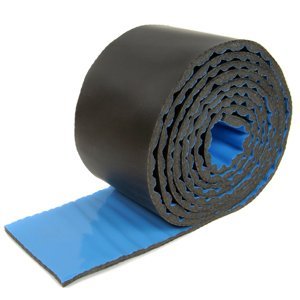
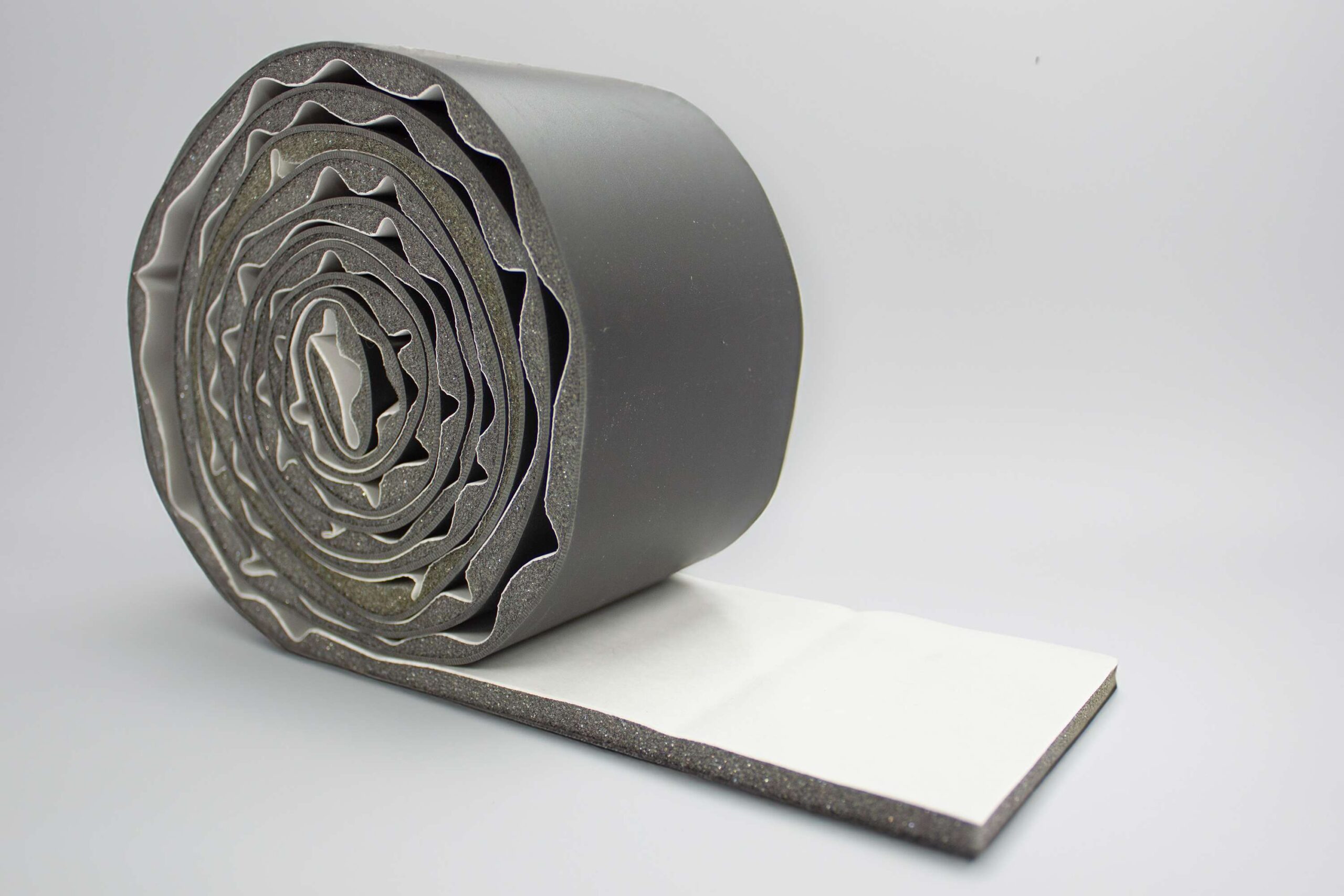
Quiet Wrap™ Pipe Soundproofing Wrap combines a high-density sound barrier membrane with composite foam to help reduce transmitted noise and vibration.
For installation:
- Measure and cut the correct amount of material.
- Peel off the adhesive backing.
- Wrap the material around the pipe with a 1/8” overlap according to the product instructions.
- Seal appropriate gaps where the pipe passes through walls, floors or ceilings.
- Check for contact points that may be transferring vibration into the surrounding structure.
Treating both the pipe and the path the vibration is taking can provide better results than addressing the pipe surface alone.
Frequently Asked Questions About Soundproofing a Room
What Is the Difference Between Soundproofing and Acoustic Treatment?
Soundproofing reduces the amount of sound that travels into or out of a room through methods such as adding mass, sealing gaps, damping vibration and decoupling surfaces.
Acoustic treatments change how sound behaves inside of a room. Acoustic panels and foam reduce echo and reverberation, but they do not, on their own, stop sound from passing through walls, floors or ceilings.
Does Soundproofing a Room Require Opening the Walls?
Not always. Some soundproofing improvements can be made without opening walls, including sealing gaps, improving doors and windows, treating floors or adding surface-level mass.
When a higher level of sound isolation is needed, opening a wall or ceiling may allow for insulation, decoupling and other more substantial changes to the assembly.
What Is the Most Cost-Effective Way to Start Soundproofing a Room?
Start by sealing gaps and identifying the weakest transmission path.
Check doors, windows, wall penetrations, electrical openings and other areas where sound may be leaking. Sealing these openings is often one of the simplest places to begin.
From there, focus your budget on the surface allowing the most noise through instead of treating every part of the room at once.
How Do STC Ratings Help Me Choose Soundproofing Materials?
Sound Transmission Class, or STC, is a rating used to describe how well a building assembly reduces airborne sound transmission.
In general, a higher STC indicates greater resistance to airborne sound. STC does not describe impact-noise performance, and real-world results can still be limited by doors, windows, gaps and flanking paths.
Can I Soundproof a Room I Rent?
Yes. Renters can focus on reversible soundproofing solutions such as rugs and dense rug pads, removable gap-sealing methods where appropriate, improved door seals and heavy furnishings along shared walls.
Permanent changes such as opening walls or replacing doors may require permission from the property owner.
For more ideas, see Soundproof Cow’s guide to soundproofing a bedroom.
How Much Does It Cost to Soundproof a Room?
The cost of soundproofing a room depends on the room size, noise source, surfaces that need treatment and whether construction is required.
Simple improvements such as sealing gaps or adding rugs may require a relatively small investment. More extensive projects involving wall or ceiling assemblies, insulation, decoupling systems, doors or flooring underlayment can cost considerably more.
The most efficient approach is usually to identify the primary transmission path first so you can invest in the areas most likely to improve the problem.
Does Soundproofing a Room Actually Work?
Yes. Proper soundproofing can significantly reduce unwanted sound when the treatment matches the noise problem and transmission path.
A single product may not solve the issue if sound is also traveling through doors, windows, ceilings, floors, ductwork or adjoining structures. The strongest results come from identifying the source, determining whether the noise is airborne or impact-related and applying the right combination of soundproofing principles.
Get a Free Acoustical Analysis From Soundproof Cow
Do you have a room that needs soundproofing?
We take the bull out of commercial and home sound dampening with effective, easy-to-install products. Now that you know the best route for your noise issue, browse our range of soundproofing materials. Still not sure where to start? Request a free acoustic analysis of your space.
Give us a call at 866-405-7795. We are happy to discuss your soundproofing needs!

I just wanted to send a quick thank you for your rapid response and helpfulness. I very much appreciated it. You have been responsive in every way all through the process. It has been a pleasure doing business with you and your company.
- T. Alexander